
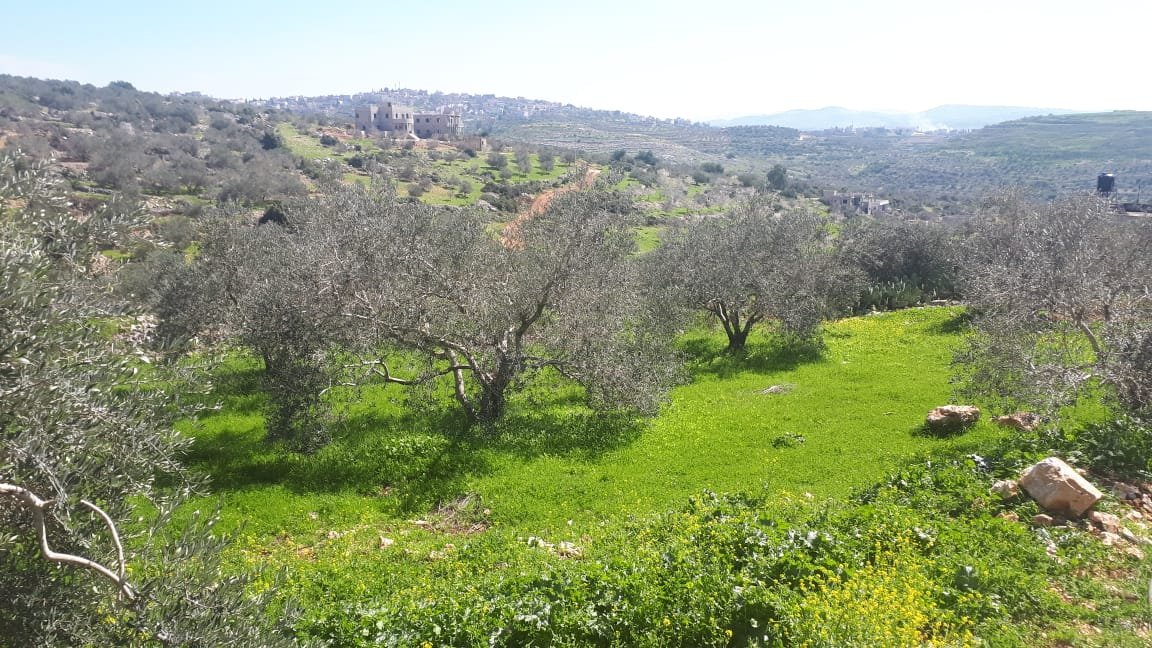
The City of Gardens.
The Rain Decides the Harvest.
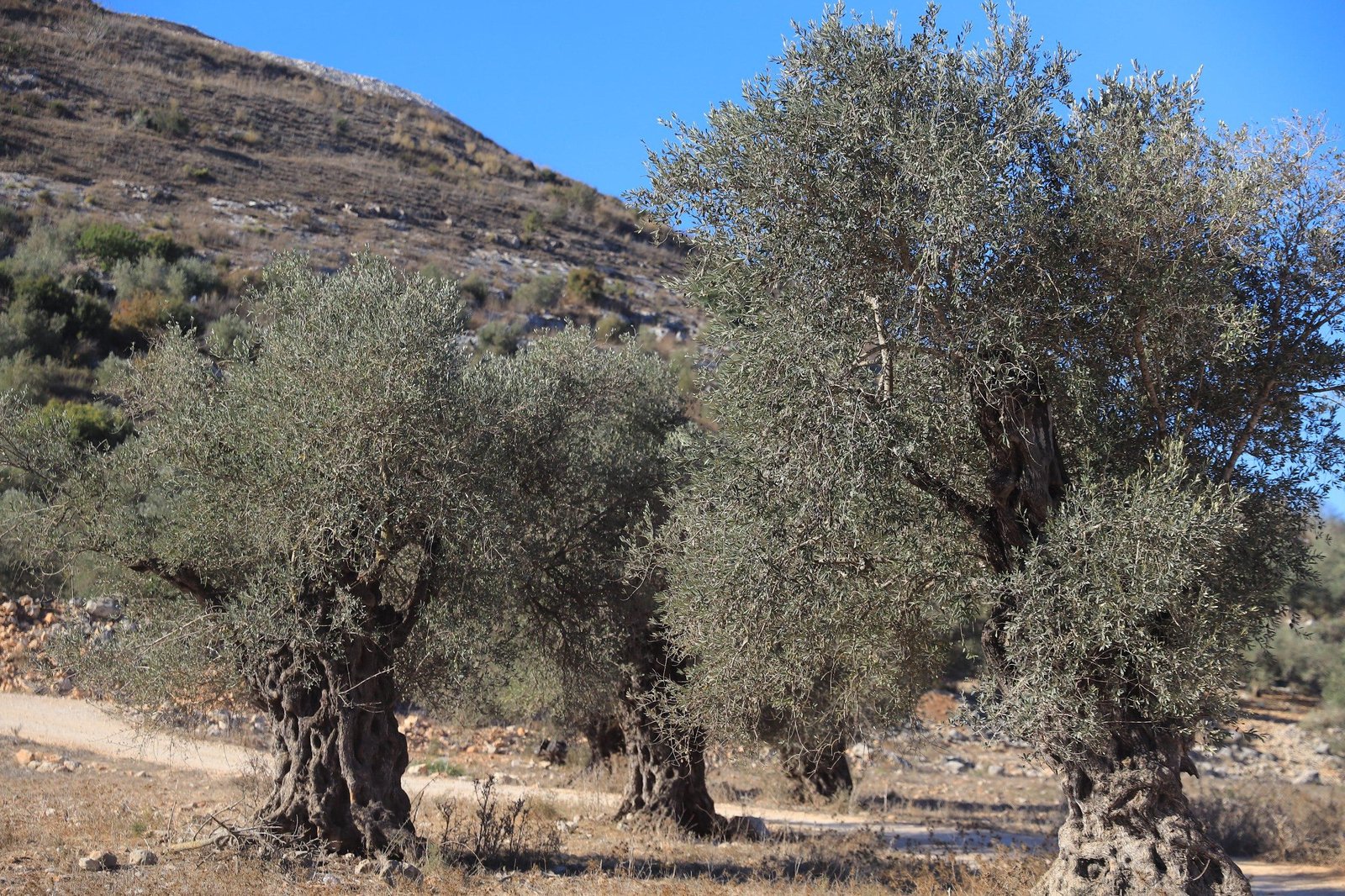
Most large groves are irrigated on a schedule, watered until the trees give up as much fruit as possible. Ours are not. Once our trees are established, the only water they get is rain.
That choice costs us yield. Rain fed olives are smaller, and there are fewer of them in a good year. But what they lose in size, they make up for in intensity. A tree that has to work for every drop of water it gets puts more of itself into the fruit. It is a harder way to farm. It is also the only way we know that tastes like this.
Picked by Hand, Pressed Within Hours.
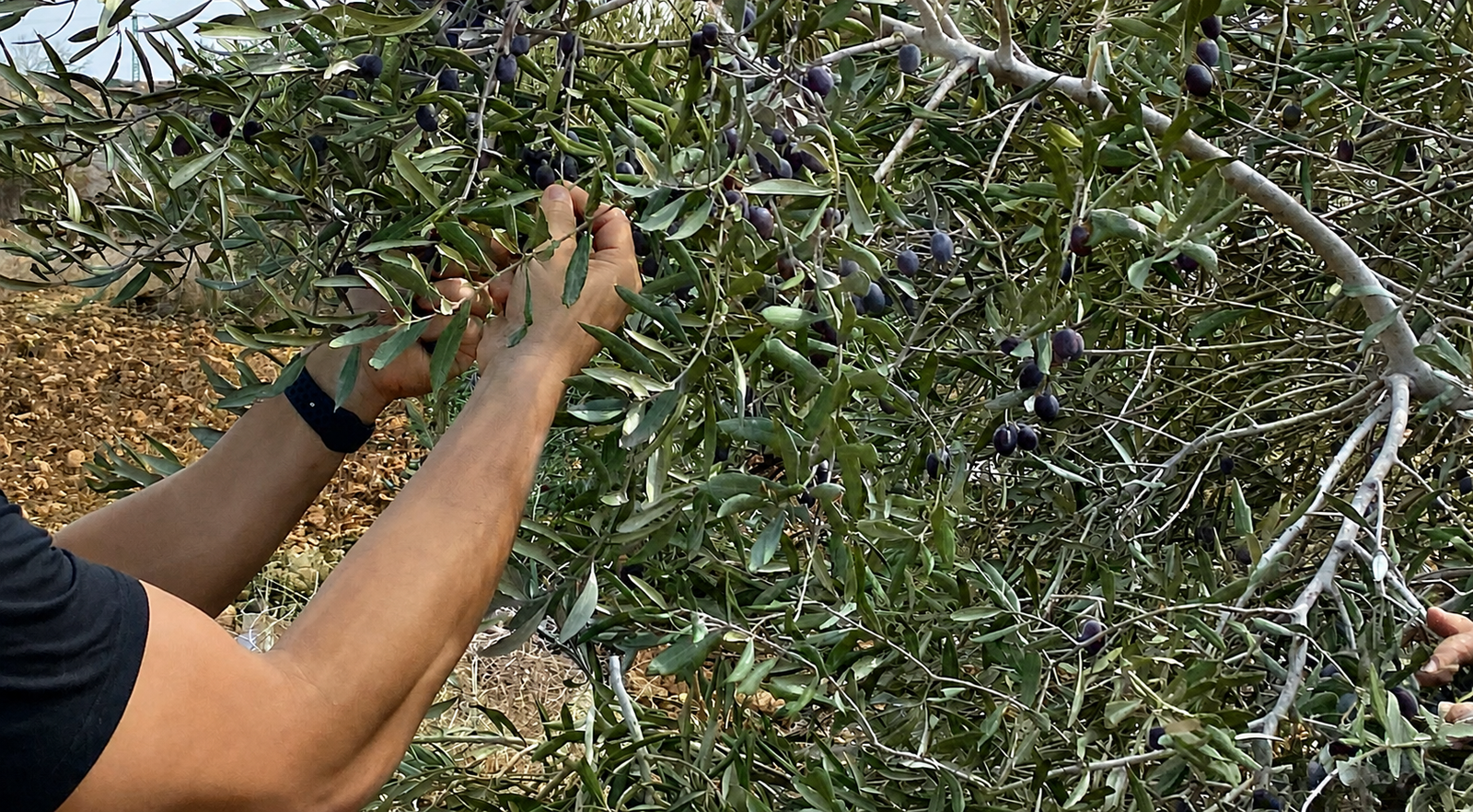
Harvest begins right after the first real rain of the season, once it has washed a long, dry summer off the leaves. Every olive still gets picked by hand, the same way it always has.
The olives leave the branch and reach the press within two to three hours. No waiting. No storage. No time for the fruit to sit around and lose the thing that made it worth picking in the first place.
Tree to Press.
Everything we sell comes from our own hills, our own trees, some of them older than we are. We don't mix oil from other regions to make every bottle taste the same. What you get is just what this year's rain and this year's harvest gave us.
Rain fed olives are smaller than the ones on a drip line, and there are fewer of them. But they taste like more. Jenin has never been the biggest place on a map either, and somehow it's never needed to be.
Shop the Pantry